How to choose between buttweld and forged fittings
Buttweld and forged fittings both join pipe, but they suit different sizes, pressures and jobs. Here is how to pick the right one for your line.
 Fortune Technical Desk1 min read3 views
On this page
Almost every plant piping job comes down to the same early question: do you specify buttweld fittings or forged fittings? The answer depends on pipe size, operating pressure, the fluid and how the joint will be made on site.
What each fitting type is
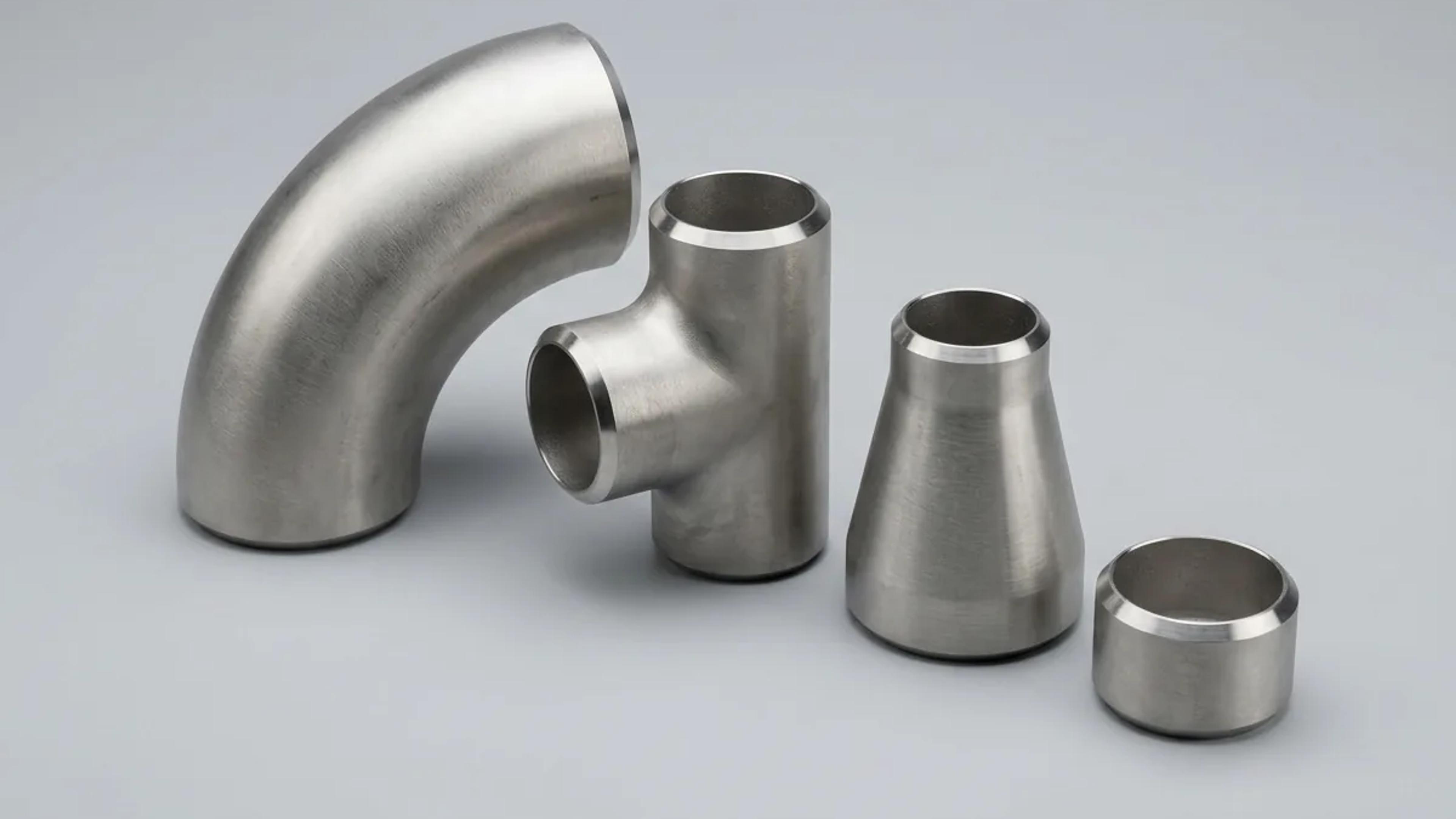
Buttweld fittings are cut from seamless or welded pipe or plate and finished with a bevelled end so they weld directly to the pipe. They give a smooth bore and a continuous profile, which keeps pressure drop low.
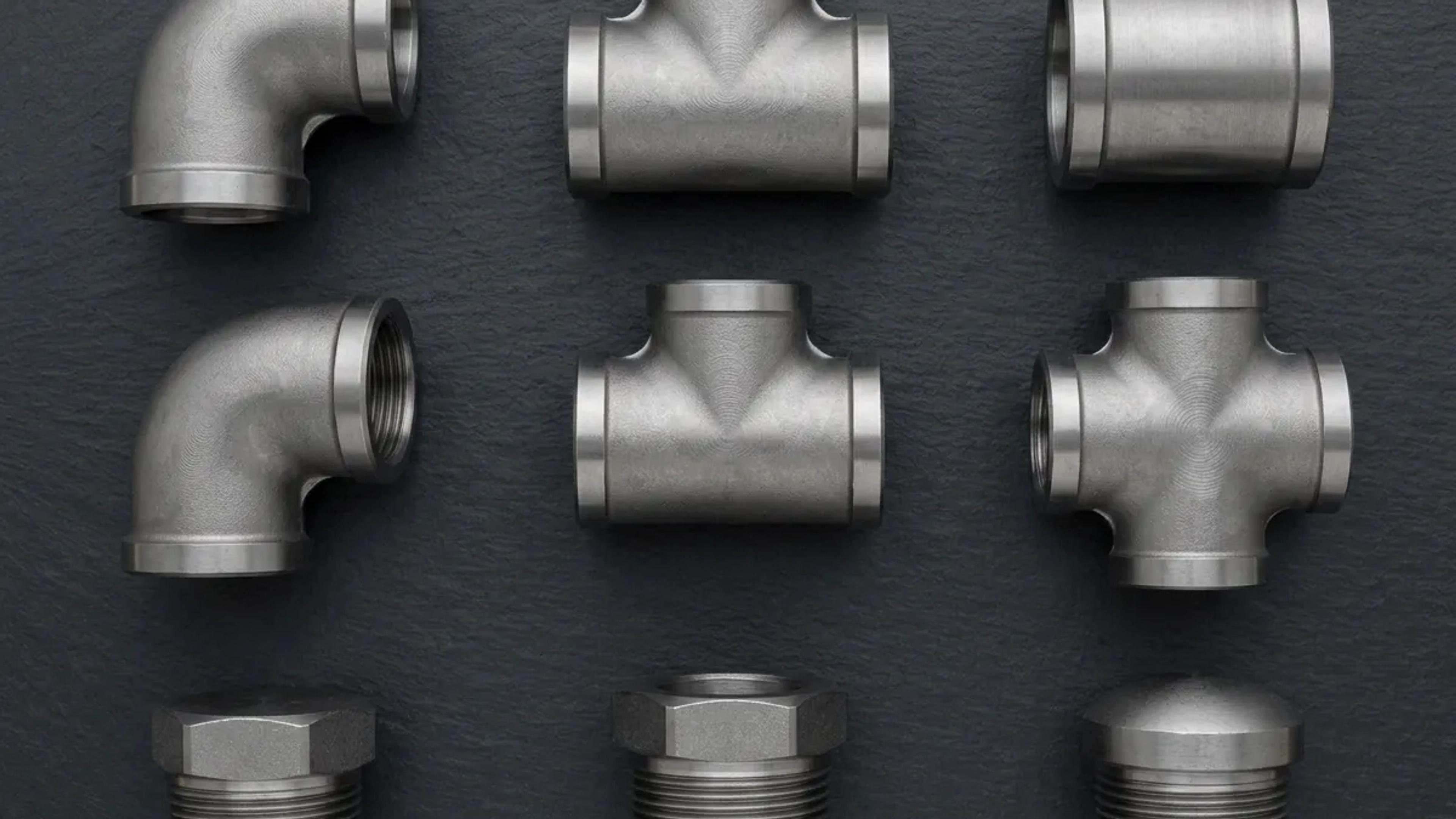
Forged fittings are shaped from a solid billet under pressure. The thick walls and compact bodies make them the usual choice for small bore piping, up to NPS 4, where socket weld or threaded joints are practical.
Where each one fits best
- Large bore process and utility piping: buttweld fittings
- Small bore, high pressure and instrument lines: forged fittings
- Lines that need frequent dismantling: threaded forged fittings
A quick comparison
How to specify the order
Material and grade
Choose the grade for the service: carbon steel such as ASTM A234 WPB for general duty, stainless steel such as A403 WP304 or WP316 for corrosive fluids, and alloy steel for high temperature lines.
Size, schedule and quantity
List nominal size, wall thickness or schedule, fitting type and quantity for every line item. A complete list lets us quote faster and avoids a second round of clarification.
Send us your fitting list and we will reply with a quote.
Request a QuoteFrequently asked questions
Can I use buttweld and forged fittings on the same line?
Yes, provided the materials, pressure class and schedule are compatible. Many plants run buttweld fittings on the main header and forged fittings on small bore branches and instrument connections.
Which standards apply to each type?
Buttweld fittings are commonly made to ASME B16.9 and forged fittings to ASME B16.11 or MSS SP-97 for branch outlets. Always confirm the exact edition in your project specification.
Do I need test certificates?
Most projects ask for material test certificates to EN 10204 3.1. State the requirement when you request a quote so the right documents ship with the order.