Hygienic fittings for pharma and food: finish, standards and tri-clamp
Tri-clamp, DIN 11851 and 3-A fittings differ in connection and cleaning behaviour. Learn how surface finish, material and gaskets decide a hygienic design.
 Fortune Technical Desk4 min read
On this page
In a pharmaceutical, dairy, beverage or biotech plant, pipe fittings are part of the process. A rough surface, a crevice or a dead leg can harbour bacteria and defeat cleaning. Hygienic fittings are designed to avoid these problems, and selecting them takes a few more decisions than for ordinary pipe fittings.
What makes a fitting hygienic
- Smooth internal surface that does not hold product or microbes
- No crevices, threads or sharp corners in the product contact zone
- Self-draining geometry, with the line sloped so liquid does not pool
- Materials resistant to the product and to cleaning chemicals and steam
- Gaskets and seals that are compatible with the product and clean-in-place routine
Material
The usual material is austenitic stainless steel: 316L for pharma, biotech and corrosive products, and 304 for many food and dairy applications. The L grade has low carbon, which suits welded systems. Fittings come as welded or seamless parts and should come with material certificates when required for validation.
Surface finish and Ra
Finish is described by Ra, the average roughness, in micrometres or microinches. A mechanically polished interior is often specified at 0.8 micrometres Ra (about 32 microinches) maximum for food and dairy, while pharmaceutical and biopharma systems often call for 0.5 micrometres (about 20 microinches) or finer. Electropolishing goes further. It removes a thin surface layer, smooths microscopic peaks and improves the passive layer, which helps cleanability and corrosion resistance. ASME BPE is the main reference standard for bioprocessing equipment.
Connection standards
Tri-clamp
A tri-clamp joint uses two ferrules with a gasket between them, held together by a hinged clamp. Dimensions follow ISO 2852 for ISO tube sizes and DIN 32676 for metric tube sizes. It is quick to assemble and dismantle without tools beyond the clamp, which makes it widely used in pharma, biotech, cosmetics and food.
DIN 11851
The DIN 11851 dairy coupling uses a threaded union with a slotted nut, a liner and a gasket. It is common in dairy, brewing and beverage plants in Europe and India. It is robust and economical, but the slotted nut and gasket design requires attention to gasket condition and may not meet the cleanability expectations of the most demanding pharmaceutical systems.
3-A and others
3-A Sanitary Standards define hygienic design criteria for equipment in dairy and food processing, mostly in North America. SMS and other regional connection standards are also used. State the connection standard clearly, because tube sizes and connection dimensions are not interchangeable between them.
Choosing the connection
Gaskets
EPDM, silicone, PTFE and FKM are the common gasket materials. Choose based on temperature, product, cleaning chemicals and steam sterilisation. Pharma users generally require material that complies with the relevant food or pharmacopoeia contact regulations, and the supplier should provide the documentation.
What to specify
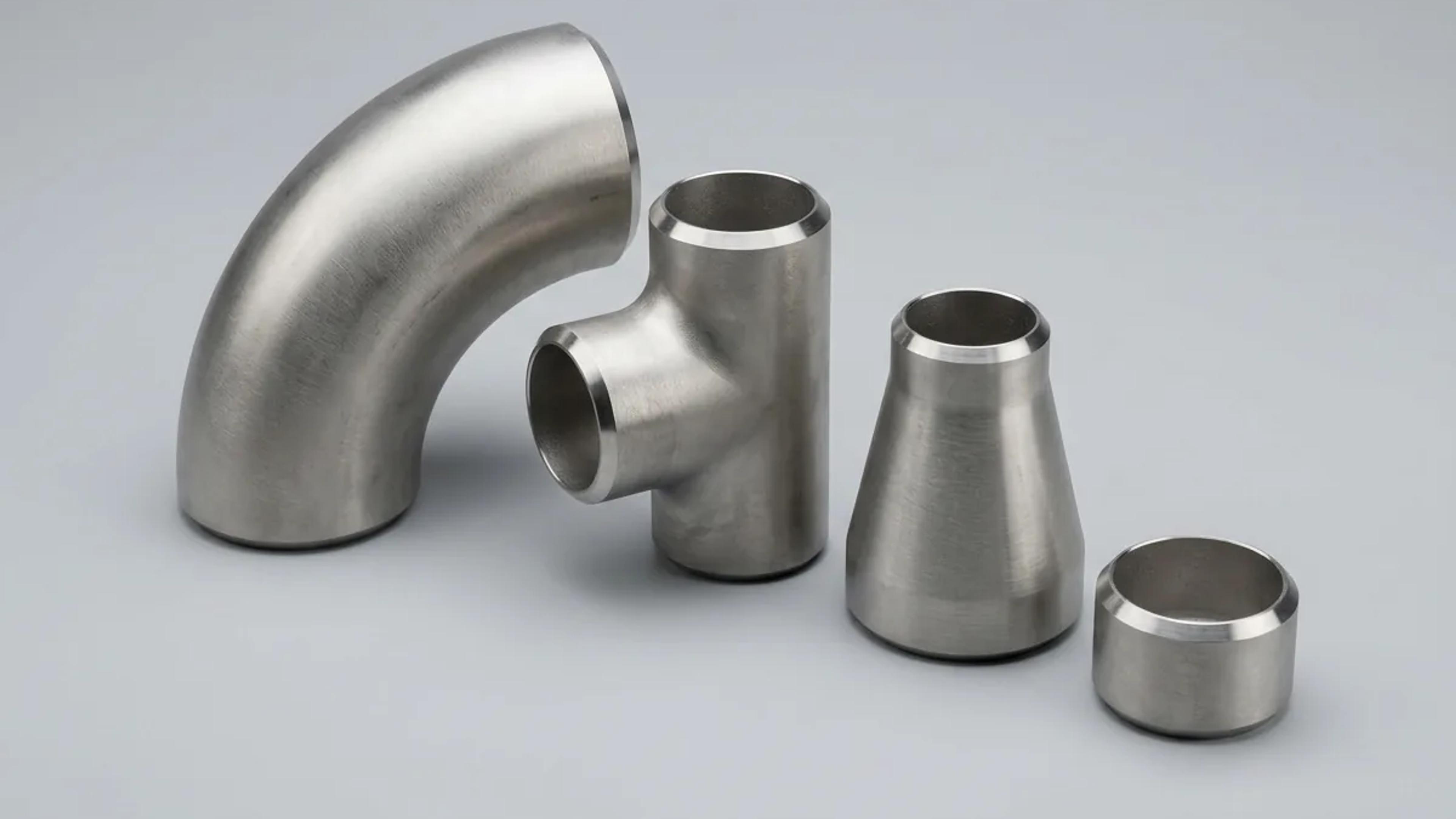
- Fitting type: elbow, tee, reducer, union, cross, end cap or ferrule
- Connection standard: ISO 2852 tri-clamp, DIN 32676, DIN 11851 or other
- Tube size and standard: ISO, DIN or inch OD tube
- Material: 304 or 316L
- Internal finish: Ra value, and external finish
- Electropolishing, passivation and certificates required
Fortune Fittings Private Limited supplies hygienic tri-clamp and DIN fittings. Send us your drawing or list, with finish and standard, and we will quote you.
Send us your list and we will reply with a quote.
Request a QuoteFrequently asked questions
What is the difference between ISO 2852 and DIN 32676 clamps?
Both describe clamp connections. ISO 2852 is used for ISO tube sizes and DIN 32676 for metric DIN tube sizes. The ferrule outside diameters are similar for matching clamp sizes, but tube sizes differ, so confirm your tubing.
Is electropolishing mandatory for pharma?
Not by universal rule, but many pharma and biotech specifications call for it on product-contact surfaces. Follow your validation master plan or client specification.
Can 304 be used instead of 316L?
For many food and dairy products, yes. For chlorides, aggressive cleaning agents or pharmaceutical systems, 316L is usually specified.